1. Walk the grounds
For outdoor spaces, the crew walks fence lines, planters, corners and bushes where needles collect.
Rexburg, ID · Madison County
Is a used needle sitting in a yard, unit or parking lot in Rexburg? Call (877) 812-4220 for needle removal, a full sharps sweep and proper disposal in puncture-resistant containers.
If anyone is in danger, call 911 first. For a suicide crisis, call or text 988.
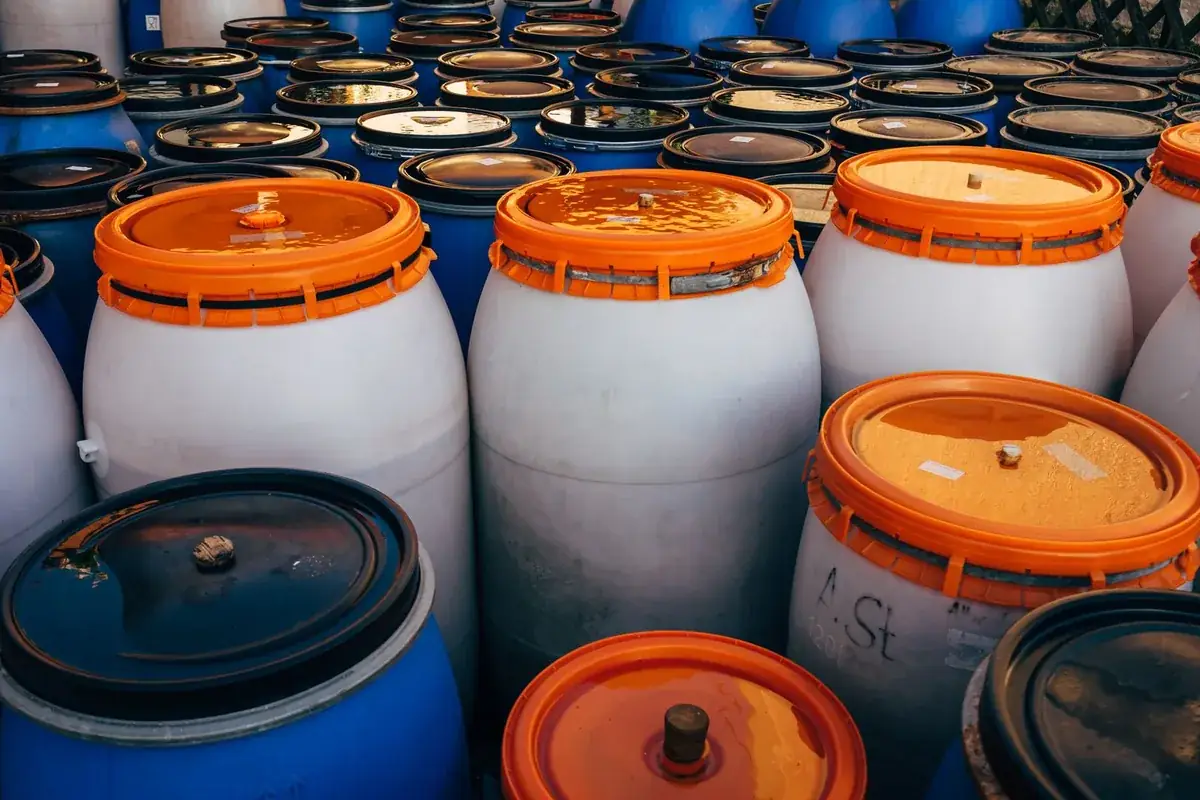
Needle and syringe pickup is a form of biohazard cleanup aimed at sharps. Protective equipment, special containers and proper disposal are part of every job.
You will not be judged when you call Rexburg Biohazard Cleanup Help about needles in Rexburg or Madison County. Crews focus on making the property safe and on disposing of sharps properly, following the rules for regulated medical waste.
Vacant buildings make up about 13% of housing in Rexburg, and empty houses and lots are common places for discarded needles to turn up. A stick, cut or splash should be checked by a doctor without delay. Madison Memorial Hospital in Rexburg serves people in and around Rexburg.
What needle & sharps cleanup covers:
For outdoor spaces, the crew walks fence lines, planters, corners and bushes where needles collect.
Crews put on protective gear and search the whole area, including corners, drawers and under furniture.
Sharps are locked in secure containers marked for medical waste.
After the last walk-through, the owner can reopen the area to tenants, customers or family.
The cost of needle & sharps cleanup in Rexburg, ID depends on the amount of material, how it is packed and how it is hauled.
Timing can matter. A same-day need near a school or play area may be scheduled differently from a sweep planned for next week.
| Type of job | Typical range |
|---|
Published ranges only (); every needle & sharps cleanup job in Rexburg is priced after an on-site look. Price drivers include number of items, where they are found, whether a sweep of a large area is needed, waste disposal. Questions? Call (877) 812-4220.
The crew searches the whole area with protective gear and tools. It collects each sharp into a puncture-resistant container, cleans surfaces where sharps lay, and hauls the sealed containers away. A final walk checks that nothing was missed, and the team can provide a record.
Sometimes. Some homeowners and renters policies cover cleanup after a covered event, and many do not cover needles on their own. Call your insurance company before work starts, take photos from a safe spot, and keep every receipt. Check your policy rather than assuming.
Loose needles should not go in household trash, because they can stab sanitation workers. Rules for small amounts of household sharps vary by city and county. The local health department can say what is allowed, and a cleanup team can take larger amounts.
Lease terms and local law decide. A landlord, an attorney or a tenant rights group can say who is responsible. In many cases the property owner books the sweep first so the unit can be used again, and the cost is sorted out afterward.
A small yard or single room can be quick, while a building or large lot takes longer. Clutter, hidden spots and the amount of sharps affect the time. A cleanup team can give a realistic idea once it hears the details.
Do not go in to look. Report it to the owner, the local health department or a cleanup team. A team can sweep the whole building in protective gear, remove the sharps and give the owner a record of the work.
A full sweep finds the needles you can see and the ones you cannot.
Call (877) 812-4220